
Train interior panel locks that help keep essential systems protected.

Keep the equipment behind interior panels covered and secure, with practical access for authorised maintenance teams.

Contour Secure’s tamper-resistant compression cam locks help hold suitable service panels firmly closed, protecting access to the systems your trains depend on.

Out of sight should not mean overlooked.

Behind train interior panels are the electrical connections, controls, plumbing and HVAC services that support everyday operation.

Passengers may never see that equipment. Your engineering team knows why it needs to remain protected.

A loose panel, exposed locking feature or closure vulnerable to interference can compromise the barrier between passengers and the services behind it.

You need panels that stay firmly in position during use and open through a controlled process when maintenance is required.

A small weakness in the closure can create a bigger problem.

A panel can appear closed without being held firmly against its frame.

Unwanted movement, clearance around the locking point or an easily operated fitting can leave opportunities for interference. If someone gains access, equipment may be exposed to damage or disruption.

Your team then has more to investigate: the condition of the panel, the equipment behind it and what needs attention before the installation can return to service.

The locking arrangement deserves the same consideration as the panel it secures.

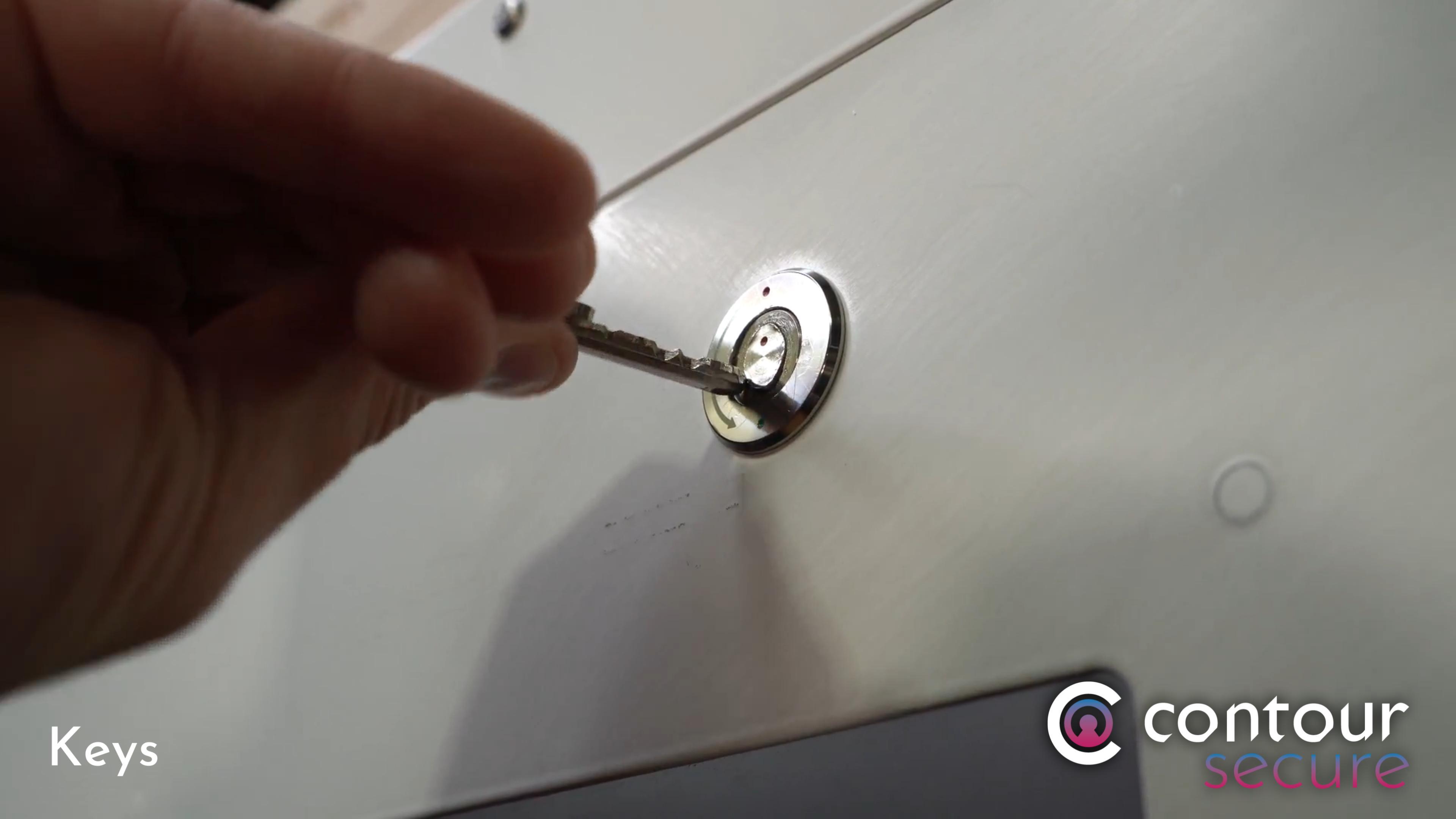
Hand turning the key in a flush panel lock

Keep the systems covered. Give your team confidence in the closure.


Picture an engineer completing an inspection and returning the service panel to position.

The lock engages and compresses, drawing the panel firmly against its frame. The engineer checks the lock-position indicators before leaving the area.

The equipment remains covered. The panel presents a discreet, flush locking face. Authorised staff retain a straightforward way to reach the services at the next maintenance visit.

  • A firm closure for everyday operation.
  • Controlled access when work is needed.
  • Greater confidence in the protection around essential equipment.
Panel security that supports maintenance.

Tamper-resistant operation.

Contour Secure’s lock is operated using its matching key, helping restrict access to the equipment behind the panel.

Your team can assess the locking arrangement around the panel’s location, the services it covers and the level of access control required.

Compression that holds the panel firmly closed.

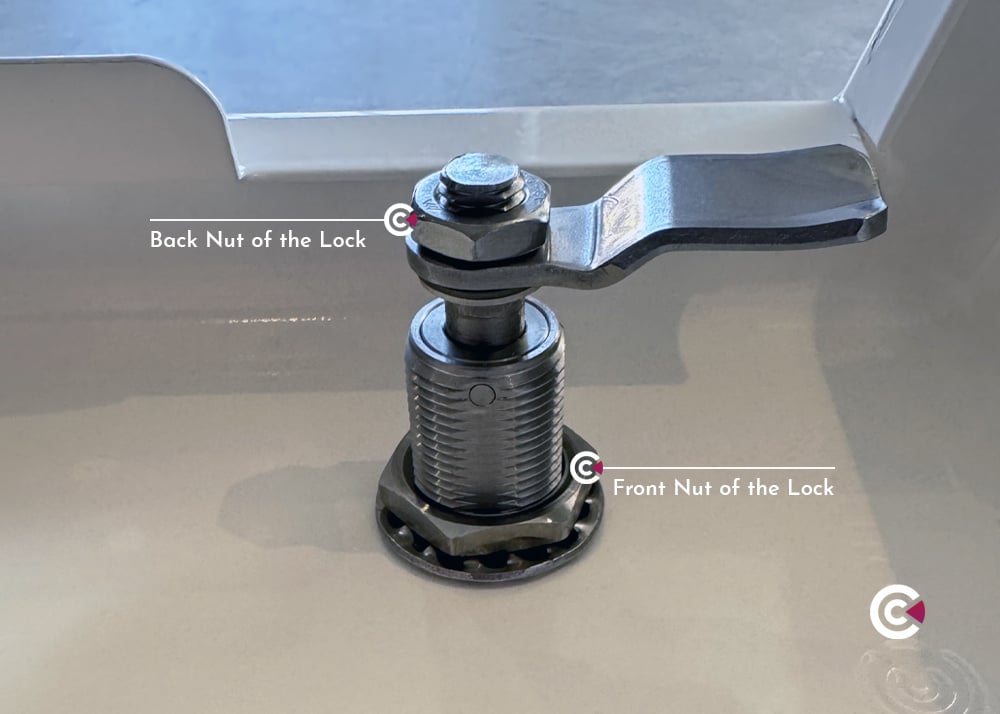
The cam engages behind the supporting framework, then the compression mechanism draws the panel against it.

This helps take up fitting clearance at the locking point, reducing unwanted movement and rattling associated with a loose closure.

A flush face with fewer exposed features.

The low-profile lock face sits flush with the panel surface, reducing protruding features that could provide opportunities for gripping or interference.

It supports a discreet finish within the carriage interior while keeping the locking point accessible to authorised staff.

One key for multiple locking points.

Where a panel has several compatible locks, staff can operate each in sequence using one key.

The key can be removed in both the locked and unlocked positions, so a separate key does not need to remain in every released fixing.

Visual indicators for the final check.

After closing the panel, engineers can check that the two red indicators align at each lock in the locked position.

The markings provide a visible reference as part of the securing process. Key removal alone does not indicate that the lock is secured.

Protect access to the services behind the interior.

Electrical and control equipment.

Secure suitable panels covering wiring, connections and control equipment, helping restrict interference while retaining maintenance access.

HVAC services.

Hold suitable panels closed around heating, ventilation and air-conditioning services, with access for inspection and servicing.

Plumbing and service connections.

Control access to concealed pipework and connections behind suitable interior panels.

Ceiling voids and service compartments.

Assess locking arrangements for suitable ceiling and compartment panels that keep essential equipment separated from occupied areas.

Contour Secure lock fitted through a panel, showing the front and back nuts

Build the locking arrangement into the panel design.


A secure closure depends on the panel, framework, hinges, fixings and lock working together.

Contour Secure works with your design and manufacturing teams to review drawings, assess clearances and identify the appropriate lock sizing, orientation and cam configuration.

Samples allow the proposed arrangement to be evaluated within your panel assembly. Any project-specific rail requirements form part of that assessment and approval process.

Three steps towards a suitable panel closure.

Step 1

Define what the panel needs to protect.

Share the panel design, its location and the equipment behind it.

Explain how engineers need to gain access, what concerns you need to address and which project requirements apply.

Step 2

Assess and test the arrangement.

Review the proposed configuration with your design and manufacturing teams.

Evaluate fit, compression, key operation and visual indicators within the complete panel assembly.

Step 3

Integrate the agreed configuration.

Once approved, we supply the locks for integration into your panels and support your manufacturing team with fitting and operation questions.

Keep essential equipment protected between maintenance visits.

The systems behind your interior panels need to remain covered, secured and accessible to the people responsible for maintaining them.

Bring the locking requirement into the design conversation early.

Show us your panel assembly and explain what it needs to achieve. We will help you assess a closure that supports tamper resistance, firm engagement and practical engineering access.

Call 01952 890158 or email sales@contoursecure.co.uk.