
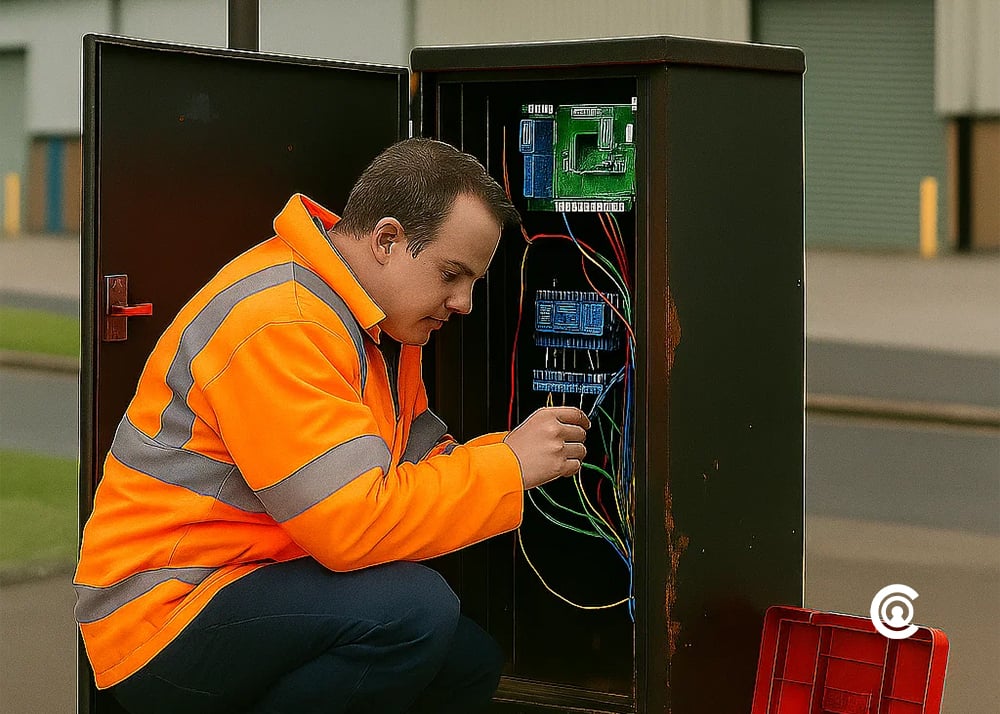
Feeder pillar and electrical cabinet locks that help protect essential infrastructure.
Make unauthorised access harder. Keep maintenance access straightforward.
Protect the equipment inside feeder pillars, electrical cabinets and roadside enclosures with tamper-resistant locks that combine a flush face with compression to hold suitable doors firmly closed.
Your equipment needs to work. Your cabinets need to protect it.
A roadside cabinet may attract little attention until someone interferes with it.
Inside are the electrical supplies, controls and connections that keep equipment operating. Unauthorised access can leave those components exposed to damage, with your team responsible for investigating the incident and restoring service.
Where a cabinet’s existing lock can be operated using widely available utility keys or multi-tools, access may be available to people who have no reason to enter it.
You need a closure that supports authorised maintenance without making interference straightforward.
Damage to one enclosure can create a much bigger job.
A compromised cabinet can mean more than replacing a lock.
Your team may need to inspect the equipment, assess damage, arrange repairs and return to site before normal operation can resume.
Deliberate targeting makes that responsibility more pressing. Vandalism affecting London’s ULEZ infrastructure illustrates why protection against interference needs to be considered alongside everyday maintenance access.
The locking arrangement is an important part of that protection.
Leave the site confident the enclosure is secured.
Picture your engineer completing a service visit, closing the cabinet and operating the lock.
The compression mechanism draws the door firmly against its frame. The flush lock face leaves fewer protruding features exposed, and visual indicators provide a reference for checking the locked position.
Your engineer retains practical access for the next visit, while the enclosure presents a more resistant barrier to unauthorised interference.
- A firm closure.
- Greater control over access.
- More confidence in the protection around your equipment.
Choose a lock around the threats your infrastructure faces.
Tamper-resistant access.
Contour Secure’s locking system uses its matching key, rather than a standard utility insert operated by commonly available multi-tools.
This helps you address a weakness where existing access arrangements are too widely accessible.
A flush face with fewer exposed features.
The low-profile lock face sits flush with the enclosure surface, reducing protruding features that could offer opportunities for gripping or interference.
Your cabinet retains a discreet finish while making the locking point less exposed.
Compression that holds the door firmly closed.
The cam engages behind the frame, then the compression mechanism draws the door against it.
This helps take up fitting clearance at the locking point, reducing unwanted movement and gaps caused by a loose closure.
A visible reference when securing.
After closing the enclosure and operating the lock, engineers can check that the two red indicators align in the locked position.
The markings support a consistent final check before leaving the site.
Protection for the infrastructure people depend on.
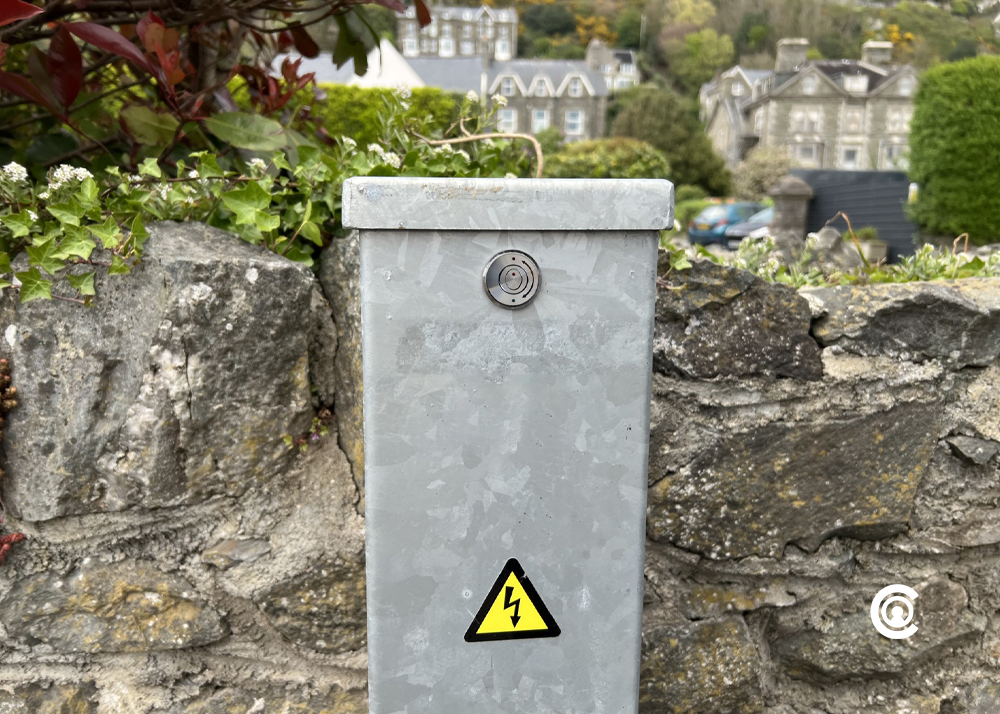
Feeder pillars and electrical cabinets.
Protect access to electrical distribution and control equipment, including cabinets serving electric vehicle charging points and street lighting.
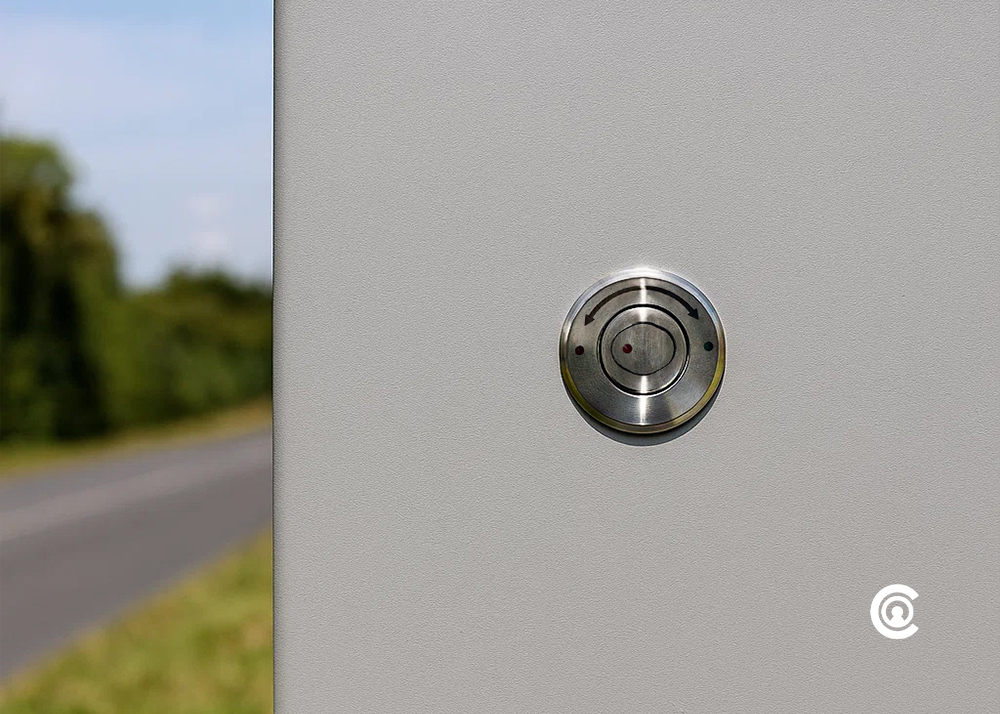
Speed camera pillars and roadside enclosures.
Help restrict access to the supplies and equipment supporting roadside monitoring and enforcement systems.
Contour Secure locks are used on speed camera pillars and roadside enclosures, supporting practical servicing alongside tamper-resistant closure.
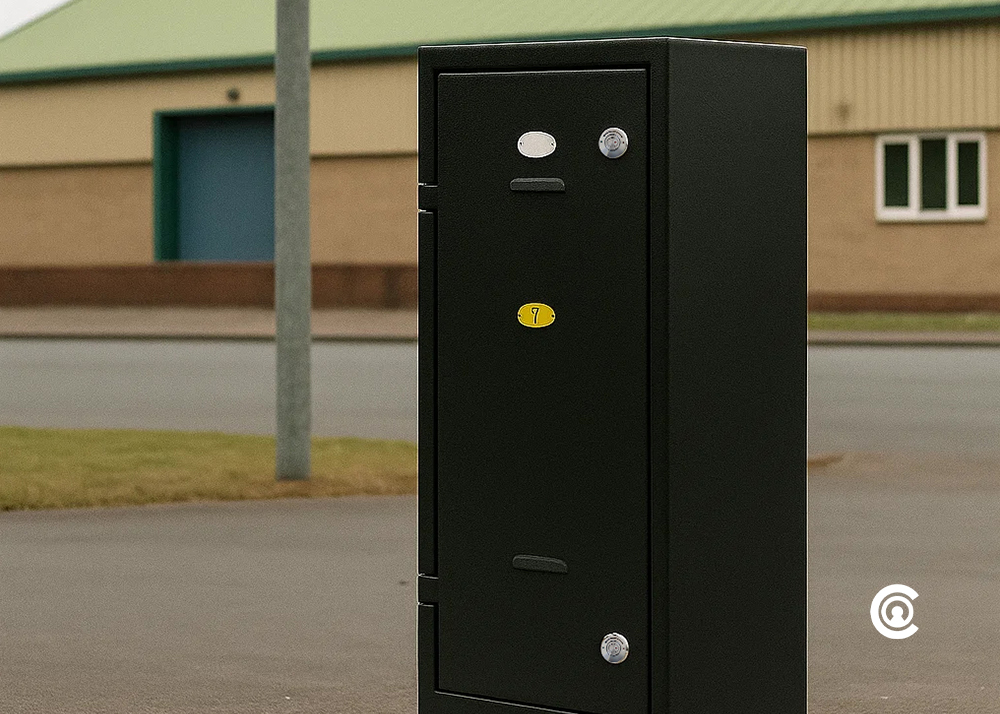
ANPR, ULEZ and CCTV infrastructure.
Assess locking arrangements for suitable cabinets supporting camera networks, where protecting the equipment inside is a priority.
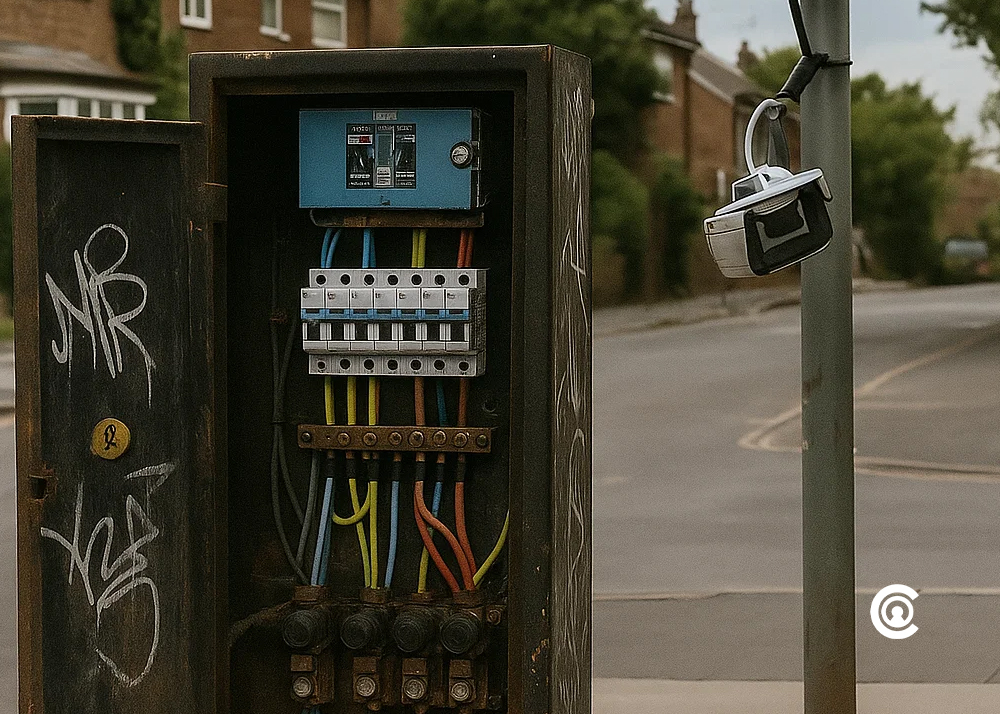
Telecoms and control cabinets.
Apply the same principles to suitable enclosures housing communications equipment and infrastructure controls.
Make the lock part of a secure enclosure.
The door, frame, hinges, fixings and lock all contribute to the protection of the equipment inside.
Contour Secure helps you assess the locking point, cam engagement, clearances and configuration needed for your cabinet. Sample evaluation allows the proposed fit and operation to be checked before wider supply.
A correctly configured lock should work with the enclosure’s construction and maintenance requirements.
Three steps towards stronger access protection.

Show us what you need to protect.
Share photographs of existing pillars and cabinets, or drawings for a proposed enclosure.
Explain the current locking arrangement, any history of interference and how your engineers need to gain access.

Assess and test the fit.
We review compatibility and identify a suitable configuration, using drawings, measurements and samples as required.
Evaluate the closure, key operation and integration with the enclosure before proceeding.

Put the agreed arrangement into use.
Once approved, we supply locks for the agreed scope and support your installer or enclosure manufacturer with integration questions.
Upgrade existing cabinets or specify protection from the start.
Retain suitable enclosures.
Where the cabinet and door remain serviceable, a compatible lock retrofit may strengthen the access arrangement without replacing the complete enclosure.
Set the requirement for new installations.
Work with your enclosure manufacturer to incorporate the locking arrangement before cabinets arrive on site.

Damaged lock. Serviceable cabinet.
If a lock has been damaged but the enclosure remains suitable, a compatible replacement can restore the closure while retaining the existing cabinet.
It is also an opportunity to review whether the previous locking arrangement provided the level of access protection you need.
Protect the equipment behind the door.
Whether you are responding to vandalism, reviewing widely accessible utility locks or specifying new feeder pillars, start with the access you need to control.
Show us the enclosure and explain the challenge. We will help you assess a practical locking arrangement for protecting your infrastructure.
Call 01952 890158 or email sales@contoursecure.co.uk.
